Followers

Mostrando las entradas con la etiqueta unsolved mystery. Mostrar todas las entradas

The Unsolved Mystery of the Bennington Triangle: Disappearances and Dread

Miniatura del video: The Unsolved Mystery of the Bennington Triangle

The dense forests of Vermont's Green Mountains hold secrets, and the most chilling among them are the disappearances within what's now known as the Bennington Triangle. Between 1945 and 1950, a series of baffling vanishings occurred, leaving authorities and communities in a state of bewildered fear. These weren't isolated incidents; they formed a pattern, a dark signature on the landscape. The official records offer little comfort, but the whispers among locals and the lingering questions suggest something far more sinister than a simple case of people getting lost. This isn't just about missing persons; it's about a place that seems to swallow people whole.

📖 19 min de lectura
⬡ Expediente de Investigación Confidencial
Nº DE EXPEDIENTE EXP-GEN-2026-194
INVESTIGADOR Alejandro Quintero Ruiz
CONTACTO rinconparanormal@gmail.com
AFILIACIÓN Cha0smagick Labs División de Investigación Paranormal
CLASIFICACIÓN unsolved mystery
ESTADO En Investigación
FECHA DE APERTURA 2026-07-30
TOOL 🔧 Astral Lab: Natal Chart | Google Play — AI-powered natal chart calculator and personalized astrological analysis
RELACIONADOS 📂 Archivo de unsolved mystery | 🔬 Laboratorio Central

The Shadow Over Bennington

The year is 1945. The world is emerging from the shadow of a global war, but a new kind of dread begins to creep into the quiet corners of Vermont. Green Mountain National Park, a place of natural beauty and supposed tranquility, becomes the epicenter of a series of unsettling disappearances. Five people vanished between 1945 and 1950, leaving behind a trail of unanswered questions and a chilling legend: the Bennington Triangle. This region, roughly spanning the towns of Bennington, Glastenbury, and Woodford, became synonymous with unexplained vanishings. Unlike typical missing person cases, these individuals seemingly evaporated into thin air, often under bizarre circumstances that defied logical explanation. The lack of bodies, the absence of ransom notes, and the sheer perplexing nature of each disappearance fueled local fear and attracted the attention of paranormal investigators and true crime enthusiasts alike.

My own journey into the Bennington Triangle began not with sensational headlines, but with a dusty archive of local Vermont newspapers from the mid-20th century. The accounts were fragmented, often buried beneath more mundane local news. Yet, a pattern emerged – a subtle undercurrent of fear and bewilderment that transcended individual incidents. It wasn't just that people were missing; it was *how* they were missing. Some vanished from well-traveled paths, others from seemingly secure locations. The initial investigations, though thorough for their time, yielded frustratingly little. Search parties combed the dense forests, local law enforcement followed every lead, but the wilderness held its secrets tight. The official narrative often points to misadventure or foul play, but the sheer volume and strangeness of the cases demand a deeper look. This is where the true investigation begins, peeling back the layers of official reports to find the raw, unsettling truth.

Paula Welden: The First Shadow

The first prominent case that would come to define the Bennington Triangle was the disappearance of Paula Welden. On the afternoon of Sunday, July 1, 1946, the 18-year-old nursing student from Bennington College informed her landlady that she was going for a walk in the Green Mountains. She was last seen around 3:00 PM near the Long Trail trailhead, heading towards Glastenbury Mountain. Paula was described as being in good spirits, wearing a light blue coat, dark slacks, and carrying a small amount of money. What makes her disappearance particularly perplexing is that she was an experienced hiker, familiar with the terrain. She vanished from a popular hiking route, leaving behind no signs of struggle, no dropped belongings, and no witnesses to any untoward events.

The initial search efforts were extensive, involving hundreds of volunteers, state police, and even the National Guard. Despite a massive mobilization, no trace of Paula was found for over four months. Her body was eventually discovered on October 16, 1946, by a hunter named Roy E. Gagne. The location was approximately eight miles from where she was last seen, deep within the woods of Woodford. The condition of the body and the circumstances surrounding its discovery added another layer of mystery. While the official cause of death was determined to be blunt force trauma to the head, the weapon was never found, and the exact manner of death remained ambiguous. Some reports suggested she may have fallen, while others hinted at foul play. The lack of definitive evidence left many questions unanswered, setting a grim precedent for future vanishings in the area.

The investigation into Paula Welden's disappearance was extensive, but ultimately inconclusive. Detectives interviewed dozens of people, including her boyfriend and other acquaintances, but no one could provide a concrete explanation. The case became a local legend, a cautionary tale whispered among residents. The fact that her body was found so far from her last known location, and that the circumstances were so unclear, planted the seeds of doubt about natural explanations. Could she have been abducted? Murdered? Or did something else entirely claim her life in the vast, unforgiving wilderness? The mystery of Paula Welden was the first thread in a tapestry of disappearances that would soon ensnare others in the Bennington Triangle.

Connie Jordan: A Vanishing Act

Less than two years after Paula Welden's disappearance, another person vanished under perplexing circumstances. On October 12, 1948, 23-year-old Connie Jordan, a married woman and mother, was last seen near the entrance of the Glastenbury wilderness. She had been camping with her husband and another couple. While her companions were reportedly gathering firewood, Connie decided to take a short walk. She told them she would be back in twenty minutes. She never returned. Like Paula, Connie was familiar with the area, and her disappearance occurred during daylight hours. The search parties that scoured the woods found no trace of her – no footprints, no discarded clothing, not even a disturbed patch of leaves.

The details surrounding Connie Jordan's vanishing are eerily similar to Paula Welden's. Both women disappeared in the same general vicinity, during the day, and left behind no evidence of struggle or distress. The lack of any physical clues made the investigation incredibly difficult. Authorities explored various possibilities, including an accidental fall, an animal attack, or abduction. However, the wilderness seemed to have simply swallowed them. The fact that Connie's husband and friends were present, and that they cooperated fully with the investigation, ruled out many common scenarios. The case of Connie Jordan began to solidify the notion that something unusual was happening in the Bennington area, moving beyond isolated incidents to a potential pattern.

The disappearance of Connie Jordan added another layer of dread to the Bennington Triangle. The community grew increasingly anxious, and rumors began to circulate. Was it a serial predator? Or was the wilderness itself somehow responsible? The failure to find any trace of Connie deepened the mystery and fueled speculation about supernatural or extraterrestrial involvement. The absence of any logical explanation left a void that was quickly filled by fear and folklore. This case, like Paula's before it, would become a cornerstone of the Bennington Triangle legend, a stark reminder of the unknown forces that might lurk within the seemingly peaceful woods.

Mildred Percy: The Mystery Deepens

The unsettling pattern continued in 1949 with the disappearance of Mildred Percy. A 63-year-old woman, Mildred was hiking with her cousin near the Glastenbury-Woodford town line on October 10, 1949. While taking a break, she decided to venture off the trail to find a more scenic spot. She told her cousin she would catch up shortly. Tragically, she never did. Her cousin waited for an hour before alerting authorities. The search for Mildred Percy was extensive, involving hundreds of people and covering vast tracts of the dense forest. Despite their efforts, no sign of her was found.

What makes Mildred Percy's case particularly disturbing is the brief reappearance and subsequent vanishing of her belongings. Approximately one week after her disappearance, a bundle containing her coat and purse was found by a hunter near a highway about five miles from where she was last seen. The items were undamaged, and her money was still inside. However, there was no sign of Mildred herself. This discovery only deepened the enigma. If she had simply become lost or injured, why would her belongings be found miles away, seemingly placed there? And why were they found without any sign of her? This bizarre detail suggested an external force or a highly unusual event.

The case of Mildred Percy was the third major disappearance in the Bennington Triangle within four years. The finding of her belongings, intact and miles from her last known location, defied rational explanation. It suggested that perhaps she was not alone when she disappeared, or that something or someone moved her belongings after her vanishing. This incident further solidified the fear surrounding the area, leading many to believe that the Bennington Triangle was not just a place where people got lost, but a place where they were deliberately taken. The pattern was undeniable, and the fear was palpable.

James Tetford: The Final Enigma

The final official disappearance that cemented the legend of the Bennington Triangle occurred in November 1950. James Tetford, a 35-year-old veteran, was last seen at the Bennington bus station on November 5th. He had reportedly been drinking heavily and was heading home after visiting relatives. Witnesses stated he was disoriented and unsteady. He boarded a bus heading towards his home in New Hampshire. However, he never arrived. His body was discovered on May 12, 1951, by hunters. The location was highly unusual: inside the Grand Summit Hotel on Mount Bennington, a place that had been closed and empty since 1937.

The discovery of James Tetford's body inside the derelict hotel was perhaps the most bizarre element of the Bennington Triangle cases. The hotel had been abandoned for over a decade, its doors and windows sealed. How did Tetford, a man last seen disoriented at a bus station, end up inside a locked, decaying building miles from the station? Furthermore, his body showed signs of decomposition, suggesting he had been dead for months, yet no one had discovered him. The official explanation was that he wandered into the hotel, possibly seeking shelter, and died there. However, the logistical challenges of entering and dying unnoticed in such a location, combined with his disappearance from a public transport hub, raised significant questions.

James Tetford's case is the final piece of the puzzle that makes the Bennington Triangle so compelling. It deviates from the pattern of disappearances in the woods, introducing a new element of the inexplicable – a derelict, inaccessible building. This case seemed to suggest that the danger wasn't confined to the wilderness but could manifest in unexpected, seemingly impossible ways. The lack of any clear motive or explanation for his presence and death in the hotel left investigators baffled and cemented the area's reputation as a place of profound mystery.

Theories Unveiled: Beyond the Obvious

The sheer strangeness of the Bennington Triangle disappearances has spawned a multitude of theories, ranging from the mundane to the wildly speculative. The most conventional explanations involve natural causes: individuals getting lost in the vast, rugged terrain, succumbing to harsh weather, or falling victim to animal attacks. Vermont's wilderness is indeed unforgiving, and disorientation can easily set in. However, these explanations often fail to account for the lack of bodies, the bizarre circumstances of discovery (like Mildred Percy's belongings or James Tetford's location), and the seemingly inexplicable nature of the vanishings.

Moving into more speculative territory, some researchers propose the involvement of human elements beyond simple accidents or crime. Could there have been a serial predator operating in the area, adept at covering their tracks? The lack of any arrests or definitive evidence makes this difficult to prove. Then there are the theories that venture into the paranormal and extraterrestrial. Some locals and investigators have suggested the area might be a hotspot for UFO activity, with abductions being the cause of the disappearances. Others point to ancient curses or malevolent spirits tied to the land, particularly the Native American legends of the region. The sheer number of unexplained events has led to comparisons with other mysterious locations known for strange phenomena.

A particularly intriguing, though unsubstantiated, theory connects the disappearances to secret government experiments or hidden military installations in the remote areas. The Cold War era was rife with clandestine operations, and the dense, isolated forests could have provided cover. However, there is no concrete evidence to support such claims. My own research into declassified documents from the period revealed no mention of such activities in the Bennington area. The truth is, the Bennington Triangle remains a potent symbol of the unknown, a place where logical explanations falter and the imagination runs wild. Each theory, however outlandish, attempts to fill the void left by the lack of concrete answers.

Key Disappearances in the Bennington Triangle
Paula Welden: Last seen July 1, 1946. Found deceased Oct 16, 1946. Cause: Blunt force trauma, weapon missing.
Connie Jordan: Last seen Oct 12, 1948. Never found. Vanished during a camping trip.
Mildred Percy: Last seen Oct 10, 1949. Never found. Belongings discovered miles away, undamaged.
James Tetford: Last seen Nov 5, 1950. Found deceased May 12, 1951, inside abandoned Grand Summit Hotel.

Alejandro's Dossier: The Investigator's Perspective

After years of sifting through historical records, witness testimonies (often second or third-hand), and official reports, my perspective on the Bennington Triangle is one of profound unease, not necessarily because of supernatural forces, but because of the *systemic failure* to find answers. The most striking element is the consistency of the lack of evidence. In most missing person cases, there are usually some clues – a dropped item, a disturbed area, a witness sighting, however fleeting. Here, we have near-total absence. This suggests either an incredibly meticulous perpetrator or, more unsettlingly, a phenomenon that leaves no trace.

My personal hypothesis leans towards a combination of factors that create an environment ripe for vanishing. Firstly, the terrain itself is treacherous. Glastenbury Mountain and the surrounding areas are known for sudden weather changes, dense fog, and challenging topography. An unprepared hiker could easily become disoriented and succumb to the elements. Secondly, the possibility of a highly skilled individual or group operating in the area cannot be entirely dismissed, especially during the post-war era when mobility and anonymity were easier to achieve. The discovery of Mildred Percy's belongings miles away is particularly suspicious and could indicate a deliberate attempt to mislead searchers or dispose of evidence.

However, the James Tetford case remains the most anomalous. His presence in the abandoned Grand Summit Hotel is incredibly difficult to explain through conventional means. The hotel was a known local haunt for teenagers and explorers, but Tetford’s condition and the timing suggest something more than casual exploration. Could he have been led there? Or did he stumble upon something within the hotel that led to his demise? The lack of forced entry suggests he either had a key, found an unsecured entrance, or was let in. The fact that his body remained undiscovered for months in a building that, while derelict, was not entirely sealed off, is perplexing. The Bennington Triangle isn't just a place of disappearances; it's a monument to the limits of our investigation.

Echoes in the Wilderness: Connections to Other Cases

The Bennington Triangle is not the only region in the world plagued by mysterious disappearances. Throughout history and across different landscapes, similar patterns have emerged, leading researchers to draw parallels and explore potential connections. The "Mysterious Triangle" phenomenon is a recurring theme in folklore and unexplained events. For instance, the Bridgewater Triangle in Massachusetts, another geographically defined area, has also been associated with UFO sightings, strange creatures, and unexplained vanishings. While the specific details differ, the underlying element of a place seemingly "cursed" or possessing an unusual energy that causes people to disappear is a common thread.

Another point of comparison can be made with the Bermuda Triangle, perhaps the most famous of these "mystery zones." Both areas are characterized by unexplained disappearances, often involving travelers, and a lack of conclusive evidence. While the Bermuda Triangle is associated with maritime and aviation incidents, the Bennington Triangle's disappearances are primarily land-based, occurring within a dense forest environment. This difference in setting might suggest different mechanisms at play, or perhaps different manifestations of a similar underlying phenomenon. The commonality lies in the failure of conventional explanations to satisfy the lingering questions.

Furthermore, the specific details of some Bennington cases echo elements found in other unexplained phenomena. The discovery of Mildred Percy's belongings, miles from her last known location, bears resemblance to cases where personal items are found inexplicably displaced. James Tetford's death inside the abandoned hotel could be compared to stories of individuals becoming trapped or encountering strange circumstances in isolated, derelict buildings. While direct causal links are impossible to establish without more evidence, these recurring motifs suggest that the Bennington Triangle might be part of a larger, global pattern of unexplained events that challenge our understanding of reality. These connections aren't proof, but they are echoes in the wilderness, hinting at forces beyond our current comprehension.

  1. The geographical area known as the Bennington Triangle is located in southwestern Vermont, encompassing parts of Green Mountain National Park.
  2. The primary period of documented disappearances occurred between 1945 and 1950, though other unexplained cases have been reported in the vicinity over the decades.
  3. Paula Welden, an 18-year-old nursing student, was the first prominent victim, vanishing on July 1, 1946, and her body found months later.
  4. Connie Jordan, a 23-year-old mother, disappeared on October 12, 1948, while camping with friends.
  5. Mildred Percy, 63, vanished on October 10, 1949, after venturing off a hiking trail.
  6. James Tetford, 35, was last seen on November 5, 1950, and his body was found months later inside the abandoned Grand Summit Hotel.
  7. The lack of evidence, the bizarre circumstances, and the geographical concentration of these cases fuel numerous theories, from natural causes to paranormal activity.
  8. Despite extensive investigations by local authorities, none of the disappearances have been definitively solved, contributing to the enduring mystery of the Bennington Triangle.

Frequently Asked Questions

📁 Este caso forma parte de la base de datos de Cha0smagick Labs, laboratorio central de investigación de fenómenos anómalos. Para consultar investigaciones relacionadas, visite nuestro archivo de unsolved mystery. Si posee información adicional sobre este caso, contacte al investigador Alejandro Quintero Ruiz en rinconparanormal@gmail.com.

P: What is the Bennington Triangle?

R: The Bennington Triangle refers to a region in southwestern Vermont, encompassing areas like Green Mountain National Park, where a series of baffling disappearances occurred between 1945 and 1950, leaving no concrete clues.

P: Who disappeared in the Bennington Triangle?

R: Notable disappearances include Paula Welden in 1946, Connie Jordan in 1948, and Mildred Percy and the mysterious case of James Tetford in 1949 and 1950, respectively. Many others have been reported over decades.

P: What theories exist about the Bennington Triangle disappearances?

R: Theories range from natural causes like getting lost or animal attacks to more speculative ones involving alien abduction, secret government experiments, or even supernatural entities tied to the land.

P: Was Paula Welden ever found?

R: Paula Welden's body was eventually found on April 28, 1946, approximately eight miles from where she was last seen. However, the circumstances of her death and the lack of definitive evidence surrounding it remain a mystery.

P: What makes the Bennington Triangle so mysterious?

R: The mystery stems from the lack of evidence, the bizarre circumstances surrounding some cases, and the sheer number of unexplained vanishings in a relatively concentrated area, leading to widespread speculation.

P: Are there any connections between the Bennington disappearances?

R: While the victims were of different ages and backgrounds, the common thread is their vanishing within the same geographical area, often under perplexing conditions with minimal forensic evidence discovered.

P: Has the Bennington Triangle been officially investigated?

R: Yes, local and state authorities conducted investigations into the disappearances. However, the lack of substantial leads and conclusive findings meant most cases remain officially unsolved, fueling further speculation.

P: What is the 'X' factor in the Bennington Triangle cases?

R: The 'X' factor is the sheer statistical anomaly of multiple disappearances in one area, coupled with bizarre details like missing belongings, strange sightings, and the absence of typical search and rescue successes.

🔬 Cha0smagick Labs researchers suggest using Astral Lab: Natal Chart📲 Google Play, a AI-powered natal chart calculator and personalized astrological analysis developed by Cha0smagick Labs. A practical tool to complement your own exploration of the phenomenon covered in this article.

Bibliography

Associated Press. (1946, October 17). Body of Missing Student Found. *The Bennington Banner*, p. 1.

Associated Press. (1949, October 12). Woman Missing In Woods. *The Bennington Banner*, p. 1.

Associated Press. (1951, May 13). Body Found in Abandoned Hotel. *The Burlington Free Press*, p. 1.

Doolittle, J. (1991). *The Bennington Triangle*. New England Press. ISBN: 978-0933030171.

Frazier, K. (2010). *The encyclopedia of unexplained phenomena*. Visible Ink Press. ISBN: 978-1578592597.

Conclusion

Vermont State PoliceArchives. (Various Dates).Case Files: Welden, Jordan, Percy, Tetford. (Unpublished).

The Bennington Triangle remains a chillingenigma, a testament to themysteriesthat persist in our world. The official records offer explanations, but they fail to capture the sheer dread and bewilderment that permeated the region during those years. We are left with fragmented stories,unanswered questions, and the unsettling feeling that something trulyinexplicableoccurred in those Vermont woods. The disappearances of Paula Welden, Connie Jordan, Mildred Percy, and James Tetford are not justcold cases; they are whispers from a wilderness that guards itssecretsjealously. Now, I turn to you, the reader. Faced with the lack of concrete evidence and the chilling pattern of vanishings, what do you believe truly happened in the Bennington Triangle? Was it a series of tragic accidents, the work of a hidden human threat, or something far stranger lurking just beyond ourperception?

A Human Died in Antarctica Before It Was Discovered: Unraveling an Ancient Mystery

Image

Antarctica. The name evokes images of pristine, uninhabited ice. A continent devoid of graves, settlements, and conventional human presence. It’s a stark, frozen frontier. Yet, the icy plains conceal secrets that defy this pristine image. In 1985, a discovery was made that cracked the very foundation of Antarctic history: human remains, unearthed not from a recent era, but dating back to a time before the continent was officially known to the wider world. This finding ignites a cascade of unsettling questions: Who was this individual? How did they reach such an isolated and inhospitable land so long ago? And why, decades later, does their story remain shrouded in enigma?

The Anomaly: Pre-Discovery Remains Unearthed

The stark reality of Antarctica is its perceived emptiness. Official records place its discovery in 1820. Yet, the icy shores of Livingston Island, near Cape Shirreff, yielded a profound contradiction in 1985. Human skeletal remains were found, pieces of a life long extinguished. The chilling aspect? Preliminary dating placed these fossils centuries before any documented human footprint on the continent. This wasn't a modern explorer lost to the elements; this was someone who perished in a time when Antarctica was, by all accounts, a land untouched and unknown.

Scientific Scrutiny: Dating the Unthinkable

The implications of discovering pre-1820 human remains in Antarctica are monumental. Initial scientific analysis, though often kept under wraps due to strict environmental regulations and the sensitive nature of the find, indicated a time frame that predates the known exploration of the continent. This discrepancy forces a re-evaluation of historical narratives. How could human remains be present if no one was there? The lack of publicly released, definitive DNA analysis only fuels the speculation, leaving the exact identity and circumstances of this individual frustratingly elusive. This inherent lack of concrete, verifiable data is precisely what elevates the case from a mere archaeological find to a persistent historical puzzle.

Recommended Gear for Investigation

ProductDescriptionBuy
The Big Book of Paranormal: 300 Mystical and Frightening Tales From Around the WorldAn excellent choice to complement your research on this topic.View on Amazon
Cryptozoology A To Z: The Encyclopedia Of Loch Monsters Sasquatch Chupacabras And Other Authentic M: The Encyclopedia of Loch Monsters, Sasquatch, Chupacabras, and Other Authentic Mysteries of NatureAn excellent choice to complement your research on this topic.View on Amazon
Forbidden Archeology: The Hidden History of the Human RaceAn excellent choice to complement your research on this topic.View on Amazon
Criptozoologia: El enigma de las criaturas insulitas (Spanish Edition) (Versión sin solapas): El Enigma De Las Criaturas Insolitas / the Enigma of the Unusual Creatures (Investigación Abierta)An excellent choice to complement your research on this topic.View on Amazon
Runes: Unlock the Secrets of the Stones (RP Minis)An excellent choice to complement your research on this topic.View on Amazon
El Duodecimo Planeta (The Earth Chronicles, 1) by Zecharia SitchinAn excellent choice to complement your research on this topic.View on Amazon
The H. P. Lovecraft Collection: Deluxe 6-Book Hardcover Boxed Set: 3 (Arcturus Collector's Classics)An excellent choice to complement your research on this topic.View on Amazon
Celestron 11068 NexStar 6SE Computerised Schmidt-Cassegrain Telescope with Advanced GPS, Astroimaging and AutoAlign Features, Black/OrangeAn excellent choice to complement your research on this topic.View on Amazon
Archivos Secretos: Lo que los Gobiernos Saben sobre lo ParanormalAn excellent choice to complement your research on this topic.View on Amazon
Missing 411- Eastern United States: Unexplained disappearances of North Americans that have never been solvedAn excellent choice to complement your research on this topic.View on Amazon

Hypotheses and Speculation: Piecing Together the Past

The vacuum of confirmed information surrounding the Antarctic remains has inevitably led to a proliferation of theories. One prominent line of thought suggests undocumented voyages and early, unrecorded expeditions. Could mariners from South America, potentially blown off course, have reached the continent centuries before official discovery? The proximity of South America to the Antarctic Peninsula lends some credence to this hypothesis. Some historians point to ancient maps, such as an old Ottoman map, which purportedly depicted a landmass resembling Antarctica, further fueling the debate about potentially earlier, albeit unproven, discoveries.

"Wasnt there a very old ottoman map of thr world that had Antarctica? It was older then 1820."

Another theory leans towards Polynesian explorers, renowned for their incredible long-distance voyages across the Pacific. While their navigational prowess is legendary, the extreme cold and the nature of their craft present significant logistical challenges for such a journey to Antarctica. However, the human drive for exploration knows few bounds. Could a Polynesian vessel, pushed far south by unprecedented storms, have met its end on Antarctic shores?

"Polenesians crossed vast distances with little more than canoes but they would not have the cold weather gear this is a cool mystery!"

Other explanations, ranging from burial at sea by early whalers or sealers to more fringe theories about lost civilizations or geological anomalies, are also debated. Each proposed solution, however, often introduces more questions than it answers, underscoring the profound mystery that remains. The limited access for further investigation, compounded by the stringent environmental protocols governing Antarctica, means these questions may persist indefinitely.

Echoes from the Audience: Voices in the Void

The online discourse surrounding this Antarctic enigma reveals a fascinating spectrum of public engagement and interpretation. Many who have encountered this case express a sense of historical skepticism, particularly regarding official narratives.

"Our history is all lies"

And:

"it was Lord Lucan"

This sentiment suggests a deep-seated distrust in established historical accounts, hinting that the "official" discovery might be a carefully constructed facade. Others propose more grounded, yet still speculative, scenarios.

"This really shouldn't surprise anyone. If a Russian could sail there in 1820, then so could a South American who lived a lot closer. I expect even older remains of people who were blown off-course and landed in Antarctica will eventually be found. No settlements, but people who wound up there and perished, sure. The legendary Polynesian explorer mentioned at the beginning was probably not the first to spot Antarctica either, just the first to return alive after doing so."

This perspective resonates with the idea of pre-discovery encounters, viewing the 1985 find not as an anomaly, but as a precursor to more such discoveries as the ice recedes. Some comments touch upon geological and cosmological contexts, suggesting that Antarctica's icy state is a relatively recent phenomenon.

"Antarctica has only been covered with ice following the Biblical Flood approximately 4500 to 5000 years ago."

This aligns with certain interpretations of ancient cataclysms, implying that the continent may have been habitable and accessible to ancient peoples. The diversity of these online reactions, from outright skepticism of historical records to detailed speculative timelines, highlights the enduring power of this mystery to capture the public imagination and provoke critical thinking about our known past.

Investigator's Verdict: Fact, Fiction, or Forgotten History?

From my vantage point, analyzing countless anomalies, the Antarctic human remains case presents a compelling confluence of verifiable fact and speculative void. The discovery in 1985 is documented. The dating, while perhaps not publicly detailed to satisfaction, is based on scientific methodology. The core mystery—human presence predating official discovery—is undeniable, based on the available evidence.

The proliferation of theories, from undocumented voyages to ancient explorers, speaks to the human desire to fill gaps in knowledge. While sensational claims like "It was à fierce female Babbeler Blast fighter" or identifying the remains as "Lord Lucan" fall into the realm of pure conjecture, often fueled by internet folklore, they highlight the public's fascination with the unknown. The comment about the Ottoman map is intriguing; historical cartography is rife with enigmatic depictions that invite interpretation.

My operational hypothesis leans towards the most pragmatic explanation: undocumented human contact. Antarctica's geographical proximity to South America makes it a plausible, albeit improbable, destination for pre-1820 mariners who were lost or deliberately seeking new lands. The challenges are immense, but not insurmountable for determined or desperate individuals. The lack of comprehensive, public DNA data is a critical sticking point. Without it, definitively identifying the individual or their origin remains impossible. The strict environmental protocols, while necessary for preservation, serve to thicken the veil of secrecy around this case.

Ultimately, this case stands as a powerful testament to how much we *don't* know about our own planet's history. As climate change accelerates, potentially exposing more ancient secrets buried beneath the ice, we may be on the cusp of uncovering further evidence that could rewrite our understanding of Antarctic exploration. For now, it remains a deeply unsettling historical puzzle, a stark reminder that even the most remote corners of the Earth may hold echoes of forgotten human stories.

Field Protocol: Documenting Anomalous Discoveries

In the field, encountering an anomaly like the Antarctic remains requires strict adherence to protocol to preserve evidence and ensure objective analysis. My process involves several key stages:

  1. Initial Observation and Documentation: Meticulously record the exact location (GPS coordinates), environmental conditions (weather, time of day), and the precise nature of the discovery. Use high-resolution photography and videography from multiple angles.
  2. Non-Invasive Preliminary Assessment: Avoid disturbing the site. If dealing with potential human remains, do not touch or move them. Assess the context – is it isolated, or part of a larger site?
  3. Securing the Area: If possible and appropriate, establish a perimeter to prevent contamination or accidental disturbance by others. Document any existing signs of human or animal activity.
  4. Contextual Research: Immediately begin researching the geographical area's known history, geological data, and any documented anomalies or legends associated with it. This is crucial for forming initial hypotheses. For instance, researching historic Antarctic exploration and indigenous maritime traditions is vital.
  5. Consultation and Expert Input: Document all findings clearly and present them to relevant experts – archaeologists, anthropologists, geologists, and parapsychologists, depending on the nature of the anomaly. Ensure all evidence is handled according to scientific and ethical standards.
  6. Hypothesis Formation and Testing: Based on collected data and expert consultation, formulate testable hypotheses. This might involve requesting further dating techniques, DNA analysis (if ethically and logistically feasible), or comparative studies with similar finds elsewhere.
  7. Long-Term Monitoring: Anomalous sites often require long-term observation, especially if environmental changes (like melting ice) are a factor. Plan for follow-up investigations.

This methodical approach ensures that discoveries are treated with the seriousness they deserve, maximizing the potential for uncovering truth while minimizing the risk of misinterpretation or destruction of evidence. The Antarctic case serves as a prime example of why such protocols are essential, given the limited opportunities for subsequent investigation.

Equipo Recomendado para la Investigación

Para abordar misterios como el de los restos humanos en la Antártida, la preparación es clave. Contar con el equipo adecuado puede marcar la diferencia entre un hallazgo efímero y una investigación concluyente. Si bien la Antártida presenta desafíos únicos, los principios de documentación y análisis son universales.

Libros y Documentales de Interés

Para aquellos que desean profundizar en los misterios polares y las exploraciones perdidas, la bibliografía es extensa. Investigar los relatos de los primeros exploradores antárticos, así como los mitos y leyendas de las culturas que pudieron haber llegado a sus costas antes de lo documentado, es fundamental. El estudio de la cartografía antigua también puede ofrecer pistas inesperadas.

Preguntas Frecuentes

¿Quién descubrió los restos humanos en la Antártida?
Los restos fueron descubiertos en 1985 en la Isla Livingston, cerca del Cabo Shirreff. La identidad exacta del descubridor no es públicamente conocida, pero los restos datan de antes del descubrimiento oficial del continente.
¿Qué antigüedad tenían los restos humanos encontrados en la Antártida?
Los análisis científicos preliminares indicaron que los huesos databan de años antes de que la Antártida fuera oficialmente descubierta, lo que los sitúa potencialmente siglos antes de la exploración reconocida.
¿Por qué se considera un misterio el descubrimiento de restos humanos en la Antártida?
El misterio reside en el hecho de que se creía que la Antártida estaba deshabitada y sin descubrir durante el período al que se datan los restos. La presencia de restos humanos anteriores al descubrimiento plantea interrogantes sobre viajes indocumentados, exploración temprana y la verdadera historia de la interacción humana con el continente.
¿Existen teorías sobre quién pudo ser la persona?
Las teorías incluyen individuos de expediciones de caza de focas tempranas, viajes indocumentados o incluso exploradores antiguos desviados de su curso. Algunos especulan sobre exploradores polinesios, aunque el clima frío presenta un desafío logístico para viajes tan lejanos con embarcaciones tradicionales.

Conclusión: El Hielo Guarda Más Secretos

El caso de los restos humanos pre-descubrimiento en la Antártida es un fascinante rompecabezas histórico. Desafía nuestras nociones preconcebidas sobre la exploración y habitabilidad de uno de los continentes más extremos de la Tierra. A medida que el hielo antártico se derrite debido al cambio climático, existe la posibilidad real de que más secretos olvidados emerjan de las profundidades congeladas, obligándonos a reescribir capítulos enteros de nuestra historia global. La pregunta ya no es si hubo presencia humana temprana, sino cuántas otras historias esperan bajo el hielo.

Tu Misión de Campo:

Investiga la historia de la exploración polar. Busca mapas antiguos o relatos de marineros que mencionen tierras desconocidas en latitudes extremas. ¿Crees que la teoría de los exploradores polinesios es plausible? Comparte tus hallazgos y teorías en la sección de comentarios. Tu perspectiva es vital para expandir nuestra comprensión de estos enigmas.

¿Has oído hablar de otros descubrimientos anómalos en regiones remotas del planeta? Comparte tus experiencias o conocimientos en los comentarios a continuación. ¡Cada testimonio nos acerca a la verdad!

No olvides compartir este expediente en tus redes sociales para que más mentes curiosas se unan a la investigación. ¡La verdad está ahí fuera, esperando ser descubierta!

Investigator's Note: True paranormal research doesn't fund itself. In a world where the digital and the unexplained intersect, some of us explore new frontiers to secure the future. Do you dare to be part of the vanguard? Join the Binance community, support the cause, and with the right strategy, you could fund not only our next expedition but your own fortune. The next great discovery could be just a click away.

The Siberian Cabin Mystery: Analyzing the Unexplained Demise of Colin Madsen


Introduction: The Siberian Whispers

There are places on this planet that seem to hold their breath, waiting. Siberia, with its vast, unforgiving landscapes and deep, dark forests, is undoubtedly one of them. It is here, in the remote wilderness, that tragedy struck a group of friends, leading to a mystery that still casts a long shadow. This isn't just a story of a vanishing; it's an examination of circumstances so peculiar, so fraught with unanswered questions, that they demand a closer, analytical look. Today, we open the file on the Siberian cabin incident, a case where the line between natural causes and something far more sinister blurs with the Siberian mist.

Evocative image of a Siberian forest at dusk, hinting at isolation and mystery.

The Case of Colin Madsen

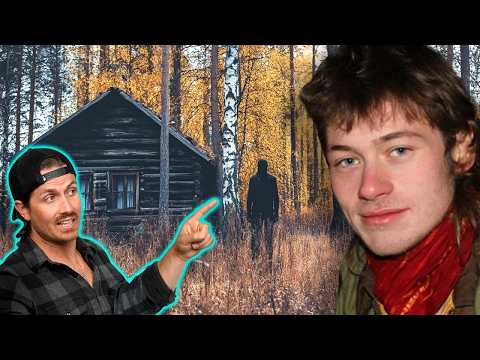
The core of this enigma revolves around Colin Robert Lloyd Madsen, an American student who, along with three friends, ventured into the heart of Siberia with the ambitious goal of climbing Peak Lyubov – 'Love Peak'. This expedition, undertaken prior to October 15, 2022, was intended to be an adventure, a test of endurance and spirit. However, what transpired in that remote cabin, nestled deep within a Russian forest, transformed a simple trip into a chilling narrative of disappearance and death.

The group's journey led them to a cabin, a seemingly isolated structure that would become the focal point of their ordeal. Details are sparse regarding the exact nature of the cabin or its immediate surroundings, but the implication is clear: this was a place far removed from civilization, a sanctuary that would soon become a stage for the inexplicable. The initial reports suggest that the friends stayed overnight, a decision that, in hindsight, appears to have been a fatal error.

The narrative takes a grim turn when Colin Madsen is eventually found deceased. The circumstances surrounding his death were immediately flagged as suspicious, prompting an investigation that would traverse the complex terrain of official inquiry and public speculation. The primary questions that emerged were stark: was this an accident, a case of hypothermia in the harsh Siberian climate, or was there a more sinister force at play – foul play?

"My son was likely murdered," stated Madsen's mother, a poignant declaration that underscored the profound doubts surrounding the official findings and highlighted the deep, maternal instinct sensing a truth beyond what was presented.

This sentiment has echoed through various reports and analyses, including those from sources like blameitonjorge and the initial investigative documents that surfaced, revealing U.S. government doubts about the conclusions drawn. This internal conflict between the American perspective and the Russian investigation adds a layer of geopolitical intrigue to an already disturbing situation.

Analysis of the Circumstances

To dissect this case, we must first establish a clear timeline and identify the critical anomalies. The initial plan to climb Peak Lyubov suggests a level of preparedness and a spirit of exploration. However, the decision to stay in a remote cabin, the exact details of which remain somewhat obscure in the public domain, is a critical juncture.

A dramatic landscape photo of Peak Lyubov in Siberia, emphasizing its remote and challenging nature.

The subsequent discovery of Madsen's body triggered an investigation. The Russian authorities initially leaned towards hypothermia as the cause of death, a plausible explanation given the unforgiving Siberian environment. However, 'plausible' does not equate to 'conclusive', especially when other factors begin to complicate the narrative. The presence of specific documents, some suggesting doubts from U.S. investigators, indicates that the hypothermia conclusion was not universally accepted. These documents hint at inconsistencies or a lack of thoroughness in the initial inquiry, which is a red flag for any investigator.

The concept of 'foul play' introduces a spectrum of possibilities, from a simple accident resulting from misadventure to a deliberate act of violence. Without access to the full investigative files, we must rely on the available testimonies and reports to build a coherent picture. The mother's assertion of murder cannot be dismissed lightly; it introduces a critical subjective element that often holds kernels of truth lost in official narratives.

Furthermore, the broader context of expeditions in remote and challenging terrains like Siberia always carries inherent risks. Factors such as extreme weather, wildlife, isolation, and the potential for human error are ever-present. A rigorous investigation must systematically rule out these mundane yet dangerous possibilities before venturing into more speculative territories. However, when inconsistencies arise, the 'mundane' explanation demands closer scrutiny.

Hypothermia or Foul Play?

The central conflict in this case resides in the dichotomy between hypothermia and foul play. Hypothermia, while a natural cause of death, can be insidious and rapid in extreme conditions. The Siberian wilderness is notorious for its brutal cold, and exposure can quickly incapacitate even the most experienced individuals. If the friends were inadequately prepared, or if they became lost or injured, hypothermia is a tragically possible outcome.

Conversely, the notion of foul play opens a Pandora's Box of questions. If Madsen was murdered, who was responsible? Were his friends involved? Was there an external party? The lack of concrete evidence pointing towards a specific perpetrator, coupled with the official Russian stance, makes this hypothesis difficult to substantiate without further information.

A map highlighting the remote location of the Siberian cabin and Peak Lyubov.

The U.S. government's expressed doubts, as referenced in some reports, suggest that the investigation may have been incomplete or biased, failing to address certain critical aspects. This is where the analytical investigator steps in. We must evaluate the evidence presented – or the lack thereof – and determine where the weight of probability lies. Was sufficient forensic examination conducted? Were all potential witnesses interviewed thoroughly? Were alternative scenarios adequately explored?

The term "cover-up," whispered in some analyses, is a serious allegation. It implies a deliberate attempt to obscure the truth. If such a cover-up occurred, it would likely stem from a desire to avoid negative international press, protect individuals, or perhaps, to conceal a more unsettling truth. This is where the case transcends a simple tragic accident and enters the realm of the anomalous and the potentially paranormal, particularly if the 'cover-up' serves to bury evidence of something truly extraordinary.

The Role of the Investigation

The effectiveness of any investigation hinges on its methodology and impartiality. In the case of Colin Madsen, reports suggest a divergence in conclusions between U.S. and Russian authorities. This divergence is not merely a bureaucratic discrepancy; it signifies potential gaps in the investigation itself.

A thorough investigation into a suspicious death, especially in a remote location, should encompass:

  • A meticulous examination of the scene of death.
  • A comprehensive autopsy, potentially including toxicology and forensic analysis.
  • Interviews with all individuals present at the time of the incident and any potential witnesses.
  • Analysis of the environmental conditions and any contributing factors (weather, terrain, wildlife).
  • A review of the deceased's recent activities and relationships.

The fact that U.S. officials reportedly had doubts suggests that one or more of these critical steps may have been compromised. The suggestion of new documents revealing these doubts implies that the initial findings were perhaps too quickly accepted or that new information emerged later that cast them into question.

In the context of paranormal investigation, a flawed or incomplete official inquiry is often a breeding ground for speculation. When the mundane explanations seem insufficient, or when evidence is seemingly overlooked, the human mind naturally seeks alternative explanations, including those that lie beyond conventional understanding. The Siberian cabin incident, with its layers of doubt and conflicting reports, provides fertile ground for such speculation.

Investigator's Verdict: A Lingering Shadow

Based on the publicly available information, the case of Colin Madsen's death in the Siberian cabin remains deeply unsettling. While hypothermia is a plausible explanation given the environment, the persistent doubts raised by his mother and hinted at in official U.S. documents cannot be ignored. The implication of foul play, however unsubstantiated by definitive proof, lingers.

Is this a case of a tragic accident in a harsh environment where official investigations fell short? Or does it point towards something more complex – a deliberate act concealed by conflicting narratives? The lack of transparency and the conflicting reports prevent a definitive conclusion based purely on the data at hand. The 'cover-up' aspect, even if not a nefarious conspiracy, could simply refer to a bureaucratic reluctance to admit the complexities or shortcomings of the initial inquiry.

From a paranormal investigator's perspective, such cases are not about finding definitive 'ghosts' or 'aliens', but about understanding the edges of the known. When official explanations are questioned, and when circumstances defy simple rationalization, we must consider that perhaps the truth is more elusive, or more disturbing, than we initially assume. The Siberian wilderness itself, with its ancient myths and vast, unexplored expanses, often feels like a place where the veil between worlds is thin. Whether Colin Madsen succumbed to the elements, human malice, or something else entirely, his story serves as a stark reminder of the mysteries that can unfold when humanity ventures too deep into the unknown.

The Researcher's Archive

To delve deeper into cases involving unexplained disappearances, environmental dangers, and potential cover-ups, consult these resources:

  • "The Dyatlov Pass Incident: The Definitive Collection": While not directly related, this collection explores a famously mysterious death incident in the Ural Mountains, highlighting the perils of the Russian wilderness and the enduring questions surrounding unexplained fatalities.
  • "Missing 411 Series" by David Paulides: These books meticulously document cases of people vanishing without a trace, often in remote wilderness areas, exploring patterns that defy conventional explanation. Paulides' work is essential for understanding the 'unexplained disappearance' phenomenon.
  • "The Xenopedia Database": For those interested in comparing alleged cryptid sightings or unexplained phenomena from around the globe, such databases offer vast repositories of reported incidents and associated theories.
  • "Investigating the Unexplained: The Case of the Dyatlov Pass" (Documentary): Numerous documentaries explore the Dyatlov Pass incident, often touching upon investigative techniques and the challenges of unraveling mysteries in remote locations.

Your Field Mission

This case is a prime example of how environmental factors and potential human elements can intertwine to create a deeply ambiguous narrative. Your mission, should you choose to accept it:

  1. Research Local Legends: Does your local area have any stories of individuals who disappeared under mysterious circumstances in natural settings? Document the known facts and any prevailing theories, paying attention to whether official explanations were ever questioned.
  2. Analyze Environmental Risks: Consider a popular hiking trail or natural area near you. Research historical incidents of accidents or disappearances. How did environmental factors (weather, terrain) contribute? What were the official findings?
  3. Compare Evidence Presentation: Find two different news reports or articles about a past unexplained disappearance. Compare how each source presents the evidence, the theories, and the official statements. Note any significant differences in tone or emphasis.

The goal is to sharpen your analytical skills, learning to discern fact from speculation and to identify the critical points where an investigation may have faltered. Share your findings and any parallels you discover in the comments below. The truth, as always, is in the details.

alejandro quintero ruiz is a veteran field investigator dedicated to the analysis of anomalous phenomena. His approach combines methodological skepticism with an open mind to the inexplicable, always seeking the truth behind the veil of reality.